
Srikalahasti kalamkari
A Kalamkari style of dyed hand-painting on cloth, made in Srikalahasti, Andhra Pradesh
Srikalahasti kalamkari is a Kalamkari style in which artists hand-paint dyed cloth in Srikalahasti, Andhra Pradesh. It is one of India's two Kalamkari styles, and its saris are known for their borders and pallu.
- Srikalahasti kalamkari is a hand-painted Kalamkari style from Andhra Pradesh.
- It is one of two Kalamkari styles named in the source, the other being Machilipatnam.
- Artists use a bamboo kalam pen for drawing and another pen for colour.
- Only natural dyes from flowers and vegetables are used.
- The process has seventeen steps, including cloth treatment and washing.
What is Srikalahasti kalamkari?
Srikalahasti kalamkari is a Kalamkari style from Srikalahasti, in Tirupati district, Andhra Pradesh. The work is dyed hand-painting on fabric. Artists use a kalam, a pen, to draw and colour the cloth. The source names Srikalahasti and Machilipatnam as India's two Kalamkari styles. This one is mostly used to tell religious myths and epic stories on cloth. Its saris are noted for their borders and pallu, the end piece that falls over the shoulder. Colours come from natural dyes made from flowers and vegetables.
Where does Srikalahasti kalamkari come from?
The source traces Kalamkari's presence to the Vijayanagara Empire. India has two Kalamkari styles, Srikalahasti and Machilipatnam. Srikalahasti work later gained a geographical indication listing as a handicraft of Andhra Pradesh. KARUNA made the application. The source also notes support for the art. SVITSA, part of Tirumala Tirupati Devasthanams, runs a professional Kalamkari painting course for new artists. The Andhra Pradesh Economic Development Board has acted to promote the historical art, address industry problems, train skilled people and increase export earnings.
How is Srikalahasti kalamkari made?
The base is cloth, and the pattern is put in by hand. Artists draw with a kalam, a Persian word for pen. One pen, made from bamboo, is for drawing. A different pen is for colouring. Only natural dyes are used, and these are taken from flowers and vegetables. The source counts seventeen steps in all. It names block making, cloth treatment, printing and washing as examples. Hand drawing and hand colouring give the Srikalahasti style its character within Kalamkari.
Srikalahasti kalamkari, drawn
Colours, motifs and borders
The cloth usually carries a story. Srikalahasti work most often shows religious myths and epic tales across the surface. Colour comes from natural dyes extracted from flowers and vegetables, so the palette belongs to the dye process. On saris, the borders and pallu get special notice. The source does not name individual motifs or set colours; it describes the style through its narrative use and its dyed hand-painting.
How Srikalahasti kalamkari is worn
No special drape is described in the source. The cloth is made into saris, and these are noted for their borders and pallu. The pallu is the end of the sari that is shown over the shoulder. The craft is described on fabric generally, so the source does not limit it to saris. Blouse, petticoat and wrapping details are not given.

When Srikalahasti kalamkari is worn
The source does not list weddings, festivals or daily wear for this style. It says the work mostly tells religious myths and epic stories on cloth. That gives the imagery a religious subject, but it does not tie the saree to a named rite. No wearer group or ceremony is named. The cloth is described through its narrative use, not through a fixed ceremonial role.
Styles of Srikalahasti kalamkari
Two Kalamkari styles appear in the source: Srikalahasti and Machilipatnam. Srikalahasti is the hand-painted, pen-work style described here. Machilipatnam is named only as the other style. The source does not compare handloom with powerloom, discuss imitations, or describe modern fashion versions. It does show a training route. SVITSA offers a professional course in Kalamkari painting to develop new artists, which supports continuity of the style.
What Srikalahasti kalamkari means
Recognition and livelihood sit alongside the storytelling. The cloth often retells religious myths and epics, so painted scenes carry meaning. Srikalahasti kalamkari holds GI status as a handicraft of Andhra Pradesh, with KARUNA as the applicant. Training and promotion are part of its present life: SVITSA teaches new painters, while the state economic development board has worked on skills, industry problems and export income. The source presents the craft as both cultural narrative and a source of work.
Questions people ask about Srikalahasti kalamkari
Where does Srikalahasti kalamkari come from?
It comes from Srikalahasti, a place in Tirupati district, Andhra Pradesh, India. The source names this town as its production area and describes it as one of India's two Kalamkari styles.
How is Srikalahasti kalamkari made?
Artists hand-paint dyed cloth with a kalam, a pen. A bamboo pen is used for drawing; a second pen applies colour. Dyes come only from flowers and vegetables. The full process has seventeen steps, such as block making, cloth treating, printing and washing.
What makes the Srikalahasti style different?
The source says India has two Kalamkari styles: Srikalahasti and Machilipatnam. Srikalahasti is described as dyed hand-painting on fabric, with a pen used for drawing and colouring. It is mostly used to tell religious myths and epic stories.
What are its saris known for?
Saris in this style are noted for their borders and pallu. The pallu is the end of the sari that is displayed over the shoulder. The source does not describe a special drape or list fixed motifs for these saris.
Does Srikalahasti kalamkari have official recognition?
Yes. It holds GI status as an Andhra Pradesh handicraft. KARUNA made the application. The source does not give the registration date or a GI number.
Good reading and sources
The facts on this page come from the Wikipedia article "Srikalahasti kalamkari", written by its contributors and used under the CC BY-SA 4.0 licence, and from its Wikidata record (CC0). EveryPallu rewrote the text in its own words, with AI assistance, and compares every page with the article to make sure no passage is copied. It may be reused under the same CC BY-SA 4.0 licence with a link back.
It may contain mistakes. Traditions, weaves and prices differ from one weaver, town or shop to the next, and it is not buying advice. If something is wrong, tell us. Last refreshed 2026-10-19.
More from India
All the sarees of India 🇮🇳 IndiaUttariya
Ancient Indian upper garment of loose cloth draped over shoulders and armsCotton
🇮🇳 IndiaTansukh cloth
A fine cotton cloth of medieval India, used for women's bodices and sarisCotton
Its cousins elsewhere
 🇮🇳 India and 1 moreTant sari
A light, see-through cotton saree from Bengal with a heavy borderCotton · Jamdani · Embroidery
 🇮🇳 IndiaShantiniketan Batik
A hand-painted batik from Santiniketan, West Bengal, brushed with natural dyesBatik · Hand painting
 🇮🇩 Indonesia and 5 moreBatikꦧꦛꦶꦏ꧀
A wax-resist dyeing technique from Java, used for patterned cloth.Silk · Batik · Hand painting
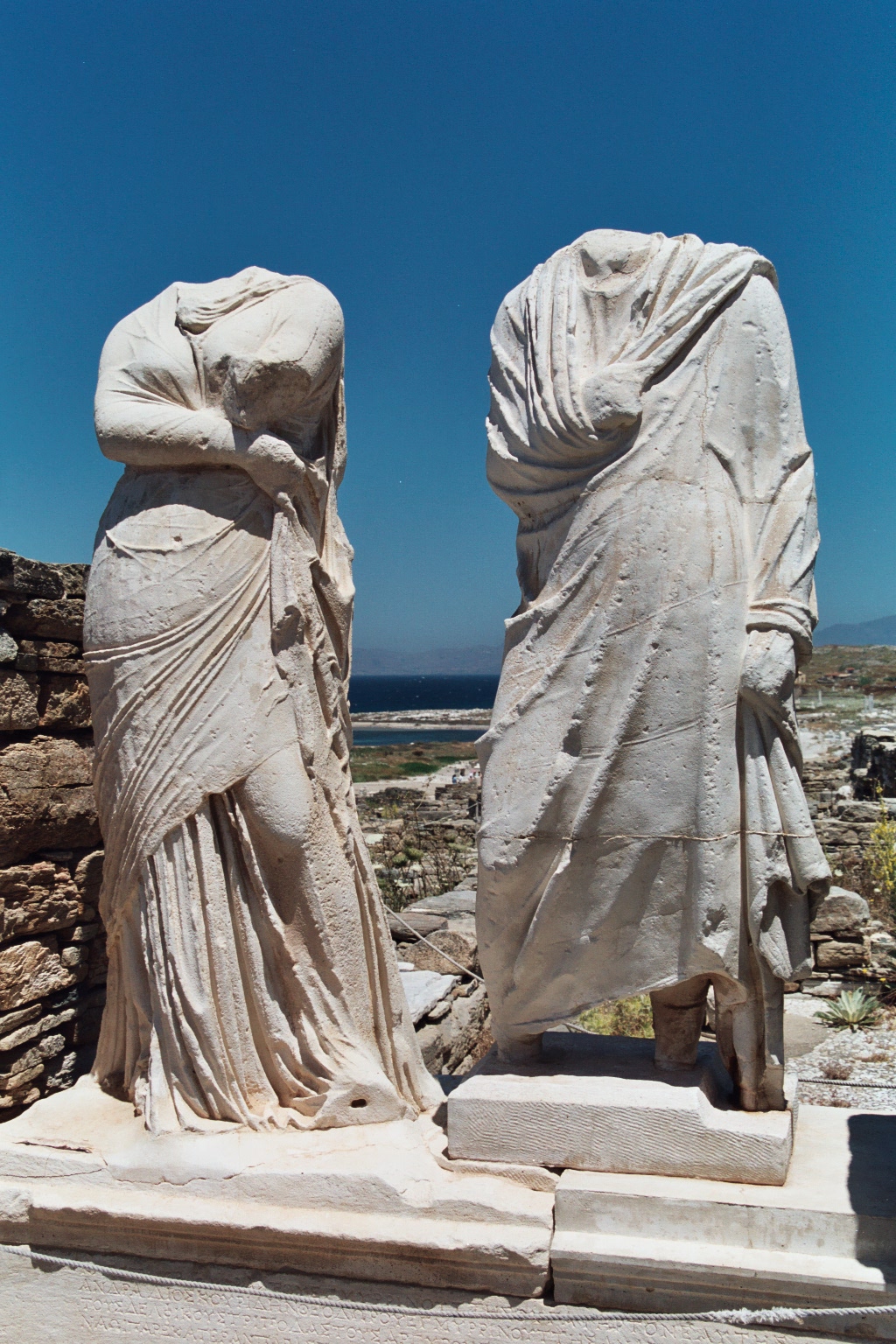 🇬🇷 GreeceHimationἱμάτιον
An ancient Greek wrap of wool or linen, draped without pins over a tunicWool · Embroidery · Hand painting