
Khadi
Hand-spun woven cloth from cotton and other fibres, promoted in India's independence movement
Khadi consists of yarn spun by hand from cotton, silk or wool using a charkha before being woven into fabric. It is produced mainly in India and also in Bangladesh and Pakistan, serving as a material that feels cool during hot months and warm in cold ones.
- First sample produced at Sabarmati Ashram in 1917-18
- Spun on charkha from cotton, silk or wool
- KVIC holds exclusive trademark rights for khadi
- Muslin khadi received GI status in Bangladesh in 2020
- Weaving centres developed in Chandina and other Bangladesh towns after 1921
What is Khadi?
Khadi is cloth created when natural fibres are spun into yarn on a spinning wheel called charkha and then woven by hand. Weavers in India and Bangladesh produce this material. It can be made using cotton as the main fibre, with silk or wool added at times. The resulting fabric has a versatile quality, keeping the wearer cool when it is hot outside and providing warmth when it is cold. At times the cloth receives starch to make it feel stiffer.
Where does Khadi come from?
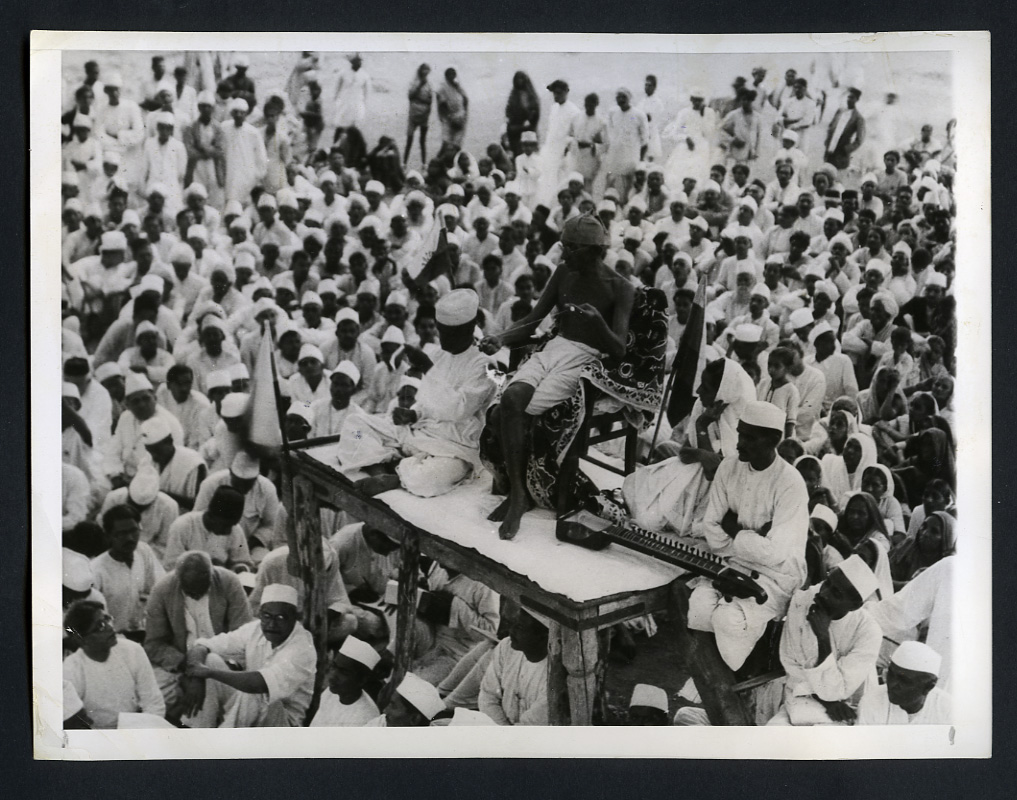
Cotton textiles from India reached places like the Roman Empire and China through trade in earlier periods. Local production dropped after 1857. In the early 1900s the swadeshi movement pushed for local cloth. Mahatma Gandhi began promoting khadi in 1918 to support self reliance. The initial sample was produced at Sabarmati Ashram during 1917 and 1918. He formed groups to back spinning and weaving. In Bangladesh weaving centres grew after his 1921 visit to Chandina in Comilla.
How is Khadi made?
Fibre is turned into yarn using a charkha, a traditional spinning device. Gandhi created a double wheel version called patti charkha to make the process faster. Later he suggested using takli instead for some cases. The yarn is then woven on looms to form the cloth. This process happens in decentralized units across regions.
Khadi, drawn


Styles of Khadi
A finer and softer type of this cloth is called muslin khadi. In Bangladesh efforts have been made to recreate traditional muslin using specific cotton varieties and old motifs.
What Khadi means
The Khadi and Village Industries Commission holds the trademark rights for the name khadi. It has been registered in several countries. In Bangladesh muslin khadi received geographical indication status in 2020. Many institutions continue to operate in states like Uttar Pradesh and Bihar to support the craft. The movement helped rural economies after independence.
Questions people ask about Khadi
Where does khadi originate?
It comes from India, where the first piece was made at Sabarmati Ashram in 1917-18. Traditions also exist in Bangladesh and Pakistan.
How is khadi made?
Yarn is created by spinning cotton, silk or wool on a charkha. This yarn is then woven by hand on looms to produce the cloth.
What fibres does khadi use?
It is mainly made from cotton but can include silk or wool as well.
What is muslin khadi?
It is the soft or refined version of khadi, associated with traditional muslin in Bangladesh.
Good reading and sources
- ‘Khadi’, ‘Khadi India’ not generic names, rules tribunalThe Hindu, Article
- Search ResultsV&A, Article
- LifeStyleThe Daily Star, Article
- Khadi on WikipediaEncyclopedia
- More photos on Wikimedia CommonsPhotos and video
- Wikidata recordOpen data
The facts on this page come from the Wikipedia article "Khadi", written by its contributors and used under the CC BY-SA 4.0 licence, and from its Wikidata record (CC0). EveryPallu rewrote the text in its own words, with AI assistance, and compares every page with the article to make sure no passage is copied. It may be reused under the same CC BY-SA 4.0 licence with a link back.
It may contain mistakes. Traditions, weaves and prices differ from one weaver, town or shop to the next, and it is not buying advice. If something is wrong, tell us. Last refreshed 2026-11-15.
More from India
All the sarees of India 🇮🇳 IndiaUttariya
Ancient Indian upper garment of loose cloth draped over shoulders and armsCotton
🇮🇳 IndiaDorea
A striped or checked cloth of the Indian subcontinent, first cotton then silkCotton · Checks and stripes
🇮🇳 India and 1 moreAgrun
A shuttle-woven Hajong shawl with big, symmetrical brocaded patternsSilk · Brocade · Zari work
🇮🇳 IndiaTansukh cloth
A fine cotton cloth of medieval India, used for women's bodices and sarisCotton
Its cousins elsewhere
All cotton sarees 🇮🇳 IndiaKachchh shawl
A dense wool wrap from Kutch, woven in two panels and joined with a fish stitchWool · Tie-dye · Embroidery
🇮🇳 India and 1 moreGazzi cloth
A coarse handloom cotton of the Punjab region, woven from local short staple cottonCotton
 🇮🇩 IndonesiaGeringsingᬕ᭄ᬭᬶᬂᬲᬶᬂ
A sacred double ikat cloth woven only in Tenganan, a Bali Aga village in BaliCotton · Ikat
 🇮🇳 IndiaChanderi sari
A fine silk or cotton sari woven in Chanderi, Madhya Pradesh, with zari motifsSilk · Brocade · Zari work